
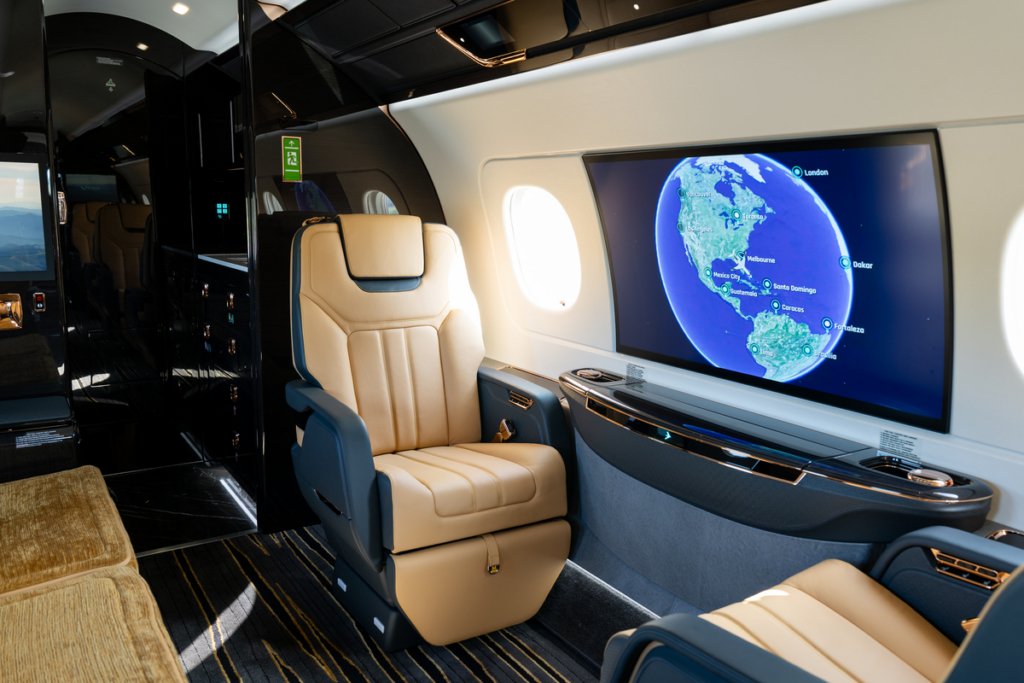
When stepping inside a private jet, most passengers pay attention to the leather seats. They notice the wood finishes and carefully planned lighting. The cupboards are barely ever noticed; however, storage is what makes the difference between an elegant and cozy cabin and an untidy environment. What passengers expect on a long flight is to have everything they need within easy reach; the crew also has to work smoothly. This is where proper design of the storage is extremely useful.
Plan it Early
You can easily understand why, despite being a large business jet, the amount of space available is still limited. When you attempt to fit something into the existing design, it becomes obvious. When it comes to the aircraft interiors (VIP) (lifeport.com/pages/aircraft-interiors), the experts from LifePort suggest that storage must be considered at the same stage as the seats and layout.
The Galley
The galley is one of the busiest places onboard any aircraft. Moreover, as the length of the flight increases, there should be enough space for ovens, coffee makers, etc. Thus, everything has to be stored in the galley: the food and beverages, dishes and equipment used for serving it. Obviously, in situations involving turbulence, nothing can shift or move around. The organization of the storage space will solve this problem. Having all the drawers locked with dedicated compartments specifically for glasses and bottles would be ideal.
Bags and Personal Belongings
The private customers tend to carry many things while traveling – there can be golf clubs, garment bags, briefcases, and pet carriers. In winter time, one may face the problem of the storage space for the ski equipment. A properly sized luggage compartment and wardrobe for hanging clothes will work fine. There can be some space under the divans; additionally, the owners usually require special storage near their seat for keeping a phone, glasses or books.
Minimizing the Weight
The storage adds additional weight to the aircraft and therefore decreases the range of the plane and its fuel efficiency. That is why the designers tend to produce more and more cabin furniture from honeycomb panels and composites rather than from solid wood. However, this material can be covered with leather or veneered so that passengers do not notice it. The difference in the weight is considerable.
Safety Comes First
No matter how elegant the cabinet is, it has to be securely locked. Opening the storage during times of turbulence, landing, or takeoff might cause injury to passengers. In accordance with the FAA regulations, all cabin furniture should meet certain standards of strength and fire resistance. Make sure that any cabin furniture has been correctly tested and certified before you proceed with the installation.
Storage You Can’t See
There can be invisible storage on board the aircraft as well. The television is designed to slide out from the cabinet when you want to use it and then slide back in when you are finished. Tables can be stored in the side ledge of the cabin; special panels can store the first aid kits, safety equipment and cleaning materials inside the wall but still make them accessible to the crew. Passengers might not be aware of it, but they will definitely appreciate the outcome.
Conclusion
Storage is frequently overlooked in luxury aircraft, yet without adequate storage, the cabin interior becomes disorganized. When you are planning the cabin design, make sure to give just as much thought to the storage spaces as you do to the seats and other pieces of furniture. You can be sure that your crew will be grateful for it.


